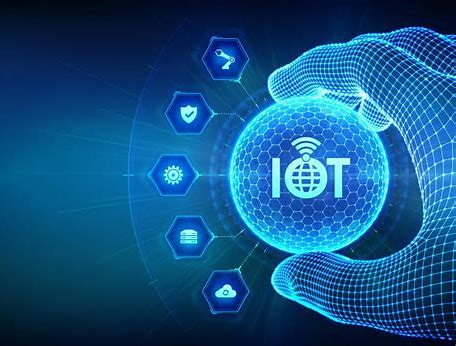
In today’s rapidly evolving landscape, several key technologies are transforming industries across the globe. Let’s take a deep dive into some of the most impactful: AI, blockchain, IoT, and more.
1. Artificial Intelligence (AI)
Applications:
Automation: AI-driven automation is streamlining operations in manufacturing, logistics, and customer service, enhancing efficiency and reducing costs.
Data Analysis: Advanced analytics powered by AI help businesses derive insights from vast data sets, improving decision-making and forecasting.
Industry Impact:
Healthcare: AI is revolutionizing diagnostics, patient care, and drug discovery, leading to more personalized and effective treatments.
Finance: Algorithmic trading, risk assessment, and fraud detection are being transformed by AI, enhancing security and profitability.
2. Blockchain
Applications:
Decentralization: Blockchain technology provides a secure and transparent way to conduct transactions without intermediaries, fostering trust and accountability.
Smart Contracts: These self-executing contracts with the terms directly written into code streamline processes and reduce the need for manual oversight.
Industry Impact:
Supply Chain: Blockchain improves traceability and transparency, allowing for better inventory management and reduced fraud.
Finance: Cryptocurrencies and decentralized finance (DeFi) platforms are disrupting traditional banking by enabling peer-to-peer transactions.
3. Internet of Things (IoT)
Applications:
Smart Devices: IoT connects everyday devices, allowing for real-time data collection and management, enhancing user experiences and operational efficiencies.
Predictive Maintenance: In manufacturing, IoT sensors monitor equipment health, enabling predictive maintenance and reducing downtime.
Industry Impact:
Agriculture: IoT solutions optimize crop management through precision farming, improving yields and resource efficiency.
Smart Cities: IoT enables smarter urban infrastructure, enhancing public services like transportation, energy management, and waste disposal.
4. Augmented Reality (AR) and Virtual Reality (VR)
Applications:
Training and Simulation: AR and VR provide immersive training environments, particularly in sectors like healthcare and aviation, where hands-on experience is crucial.
Retail Experiences: Retailers use AR to allow customers to visualize products in their own spaces before purchasing.
Industry Impact:
Education: AR/VR tools enhance learning experiences, making complex concepts more accessible through interactive simulations.
Entertainment: The gaming industry is leveraging AR/VR for more engaging gameplay, creating entirely new experiences for users.
5. Cybersecurity Technologies
Applications:
AI-Powered Security: AI enhances cybersecurity by detecting anomalies, predicting threats, and automating responses to incidents.
Zero Trust Architecture: This security model assumes that threats could be both external and internal, requiring continuous verification for access to resources.
Industry Impact:
Financial Services: Enhanced security measures protect sensitive data and transactions from increasingly sophisticated cyber threats.
Healthcare: Protecting patient data is critical, and advanced cybersecurity measures help safeguard against breaches.
6. Robotics and Automation
Applications:
Industrial Robots: Automated robotic systems are used for repetitive tasks in manufacturing, improving precision and efficiency.
Service Robots: Robots are being deployed in sectors like hospitality and healthcare to assist with tasks ranging from cleaning to patient care.
Industry Impact:
Manufacturing: Increased automation leads to higher productivity, lower labor costs, and improved safety in hazardous environments.
Logistics: Robotics in warehouses and fulfillment centers streamline operations, accelerating order processing and delivery.
Conclusion
The convergence of these technologies is driving significant change across industries, leading to increased efficiency, innovation, and new business models. As organizations adopt these technologies, they will need to navigate challenges such as workforce displacement, ethical considerations, and regulatory compliance. Understanding these transformations is crucial for businesses looking to stay competitive in the digital age.