Insurance is a critical part of financial planning, offering protection against unforeseen events that can have significant financial implications. However, the sheer variety of insurance products and the complexity of policy details can make choosing the right coverage a daunting task. Here’s a guide to help you make informed decisions about your insurance needs.
1. Understand Your Needs
Assess Your Risks: Start by identifying the risks you face in different areas of your life—health, property, income, and liabilities. This will help you determine which types of insurance are essential.
Life Stage Considerations: Your insurance needs will vary depending on your life stage. For instance, a young single professional might prioritize health and auto insurance, while a married individual with children might focus on life insurance and home insurance.
2. Types of Insurance
Health Insurance: Covers medical expenses and is crucial to prevent financial strain due to health issues. Consider policies that cover a wide range of treatments and have a broad network of healthcare providers.
Life Insurance: Provides financial support to your dependents in the event of your untimely death. Term life insurance is generally more affordable and straightforward, while whole life insurance offers coverage with a savings component.
Auto Insurance: Mandatory in most places, it covers damages to your vehicle, liability for injuries and damage to others, and other associated costs. Ensure your coverage aligns with your vehicle’s value and your driving habits.
Homeowners/Renters Insurance: Protects your home and belongings against damage or theft. Homeowners insurance also covers liability if someone is injured on your property. Renters insurance, while more limited, is crucial for protecting personal belongings.
Disability Insurance: Provides income replacement if you are unable to work due to illness or injury. This is especially important for individuals who are the primary earners in their households.
Long-Term Care Insurance: Covers the cost of long-term care services, which are often not covered by health insurance or Medicare. This is particularly relevant as you age.
3. Key Policy Features to Consider
Coverage Limits: Understand the maximum amount your policy will pay for a covered event. Make sure it’s sufficient to cover your potential losses.
Deductibles: This is the amount you pay out-of-pocket before your insurance kicks in. Higher deductibles typically lower your premium but increase your costs if you need to make a claim.
Exclusions: Carefully read the exclusions in your policy to know what isn’t covered. Some policies exclude certain types of damage or events, such as natural disasters or pre-existing conditions.
Premium Costs: Compare premiums across different insurers, but don’t focus solely on price. The cheapest policy may not offer the best coverage.
Policy Riders: These are additional benefits or coverage options you can add to a standard policy, such as critical illness coverage or accidental death benefits.
4. Comparing and Choosing Policies
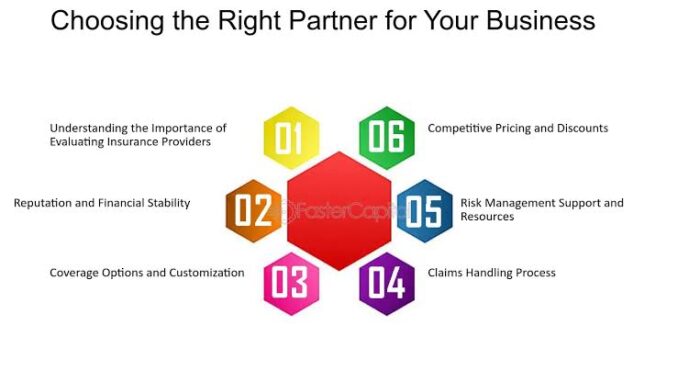
Shop Around: Don’t settle for the first quote you receive. Use comparison websites and consult with insurance brokers to explore various options.
Read Reviews: Check customer reviews and ratings for insurers to understand their claim settlement process, customer service, and overall reliability.
Financial Strength of the Insurer: Ensure the insurer has a strong financial rating, indicating their ability to pay out claims.
5. Regularly Review Your Coverage
Life Changes: Major life events such as marriage, the birth of a child, or buying a home can affect your insurance needs. Review and adjust your coverage accordingly.
Annual Review: Even if your life hasn’t changed significantly, it’s a good idea to review your policies annually to ensure they still meet your needs and to check for any new or better options.
6. Consult with a Professional
Insurance Brokers: A broker can provide expert advice, help you understand complex policy details, and find coverage tailored to your needs.
Financial Advisors: They can offer a broader perspective on how insurance fits into your overall financial plan, helping you make decisions that align with your long-term goals.
Conclusion
Navigating the world of insurance doesn’t have to be overwhelming. By understanding your needs, comparing policies carefully, and seeking professional advice, you can make informed choices that provide peace of mind and financial security. Remember, the right insurance coverage is not just about protecting your assets but also about ensuring stability and support for you and your loved ones in times of need.