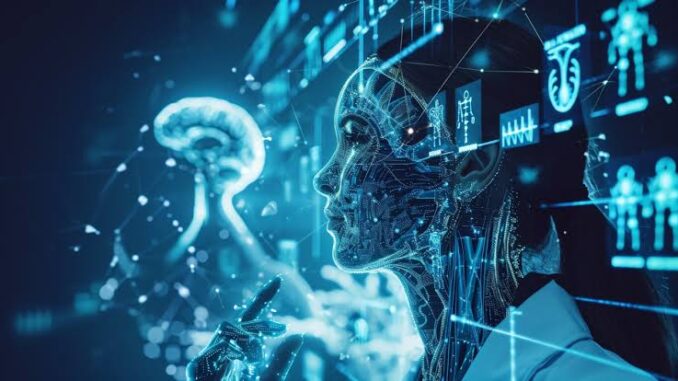
1. Artificial Intelligence (AI) and Machine Learning
Diagnostics: AI algorithms are enhancing diagnostic accuracy by analyzing medical images, such as X-rays and MRIs, to detect abnormalities with high precision.
Predictive Analytics: Machine learning models are being used to predict disease outbreaks, patient outcomes, and treatment responses, allowing for more personalized healthcare.
Drug Discovery: AI is accelerating drug discovery by predicting how different compounds will interact with targets, thus speeding up the development of new medications.
2. Telemedicine and Remote Monitoring
Telehealth Services: Virtual consultations and remote diagnostics are improving access to healthcare, especially in underserved and rural areas.
Wearable Devices: Devices like smartwatches and fitness trackers monitor vital signs and health metrics, enabling continuous health tracking and early detection of potential issues.
Remote Patient Monitoring: Technologies for remote monitoring of chronic conditions allow for real-time data collection and intervention, improving patient management and outcomes.
3. Genomics and Personalized Medicine
Genomic Sequencing: Advances in genomic sequencing are making it possible to tailor treatments to individual genetic profiles, leading to more effective and targeted therapies.
Precision Medicine: Personalized approaches are being developed to treat diseases based on genetic, environmental, and lifestyle factors, leading to more individualized care plans.
4. Robotics and Automation
Surgical Robots: Robots are increasingly used in minimally invasive surgeries, offering precision, reduced recovery times, and enhanced outcomes.
Automation in Laboratories: Robotics and automation are streamlining laboratory processes, increasing efficiency and accuracy in diagnostic testing and research.
5. Biotechnology and Regenerative Medicine
Stem Cell Therapy: Advances in stem cell research are leading to new treatments for a range of conditions, including degenerative diseases and injuries.
3D Bioprinting: 3D printing technology is being used to create custom prosthetics, implants, and even tissue constructs for regenerative medicine.
6. Internet of Medical Things (IoMT)
Connected Devices: IoMT refers to the network of connected medical devices that can communicate and share data, enhancing the ability to monitor and manage patient health remotely.
Smart Health Devices: Innovations like smart inhalers and glucose monitors are providing more accurate data and improving patient adherence to treatment plans.
7. Blockchain Technology
Data Security: Blockchain is being explored for securing patient data, ensuring privacy, and improving data integrity across healthcare systems.
Supply Chain Management: Blockchain can enhance transparency and traceability in the medical supply chain, reducing the risk of counterfeit products.
8. Augmented Reality (AR) and Virtual Reality (VR)
Medical Training: AR and VR are being used to create immersive training environments for medical professionals, improving skills and knowledge in a controlled setting.
Patient Treatment: VR is also being used for pain management and rehabilitation, offering new approaches to therapy and recovery.
9. Nanotechnology
Targeted Drug Delivery: Nanotechnology enables the development of nanoparticles that can deliver drugs directly to specific cells or tissues, minimizing side effects and enhancing therapeutic efficacy.
Diagnostic Tools: Nano-sized sensors and imaging agents are improving diagnostic capabilities with greater sensitivity and precision.
These innovations are not only advancing the capabilities of healthcare but also making it more accessible, efficient, and personalized. As technology continues to evolve, it promises to further revolutionize how we approach health and medicine, ultimately leading to improved patient outcomes and a more effective healthcare system